
Australia Visa Pathways
- yubocosam
- Jan 29
- 3 min read

Australia’s visa framework is broadly divided into several key categories. Each pathway serves a specific purpose and targets different applicant profiles.
Skilled Migration Visas
Skilled migration remains a cornerstone of Australia’s migration program in 2026. These visas are designed for individuals with qualifications, skills, and work experience in occupations needed by the Australian labour market.
Common skilled migration pathways include independent skilled visas, state or territory nominated visas, and regional skilled visas. These visas often operate under a points-tested system, where applicants are assessed based on age, English proficiency, work experience, qualifications, and other factors.
Skilled migration visas may offer temporary or permanent residency options, with regional pathways continuing to play a significant role in addressing workforce shortages outside major cities.
Employer-Sponsored Visas
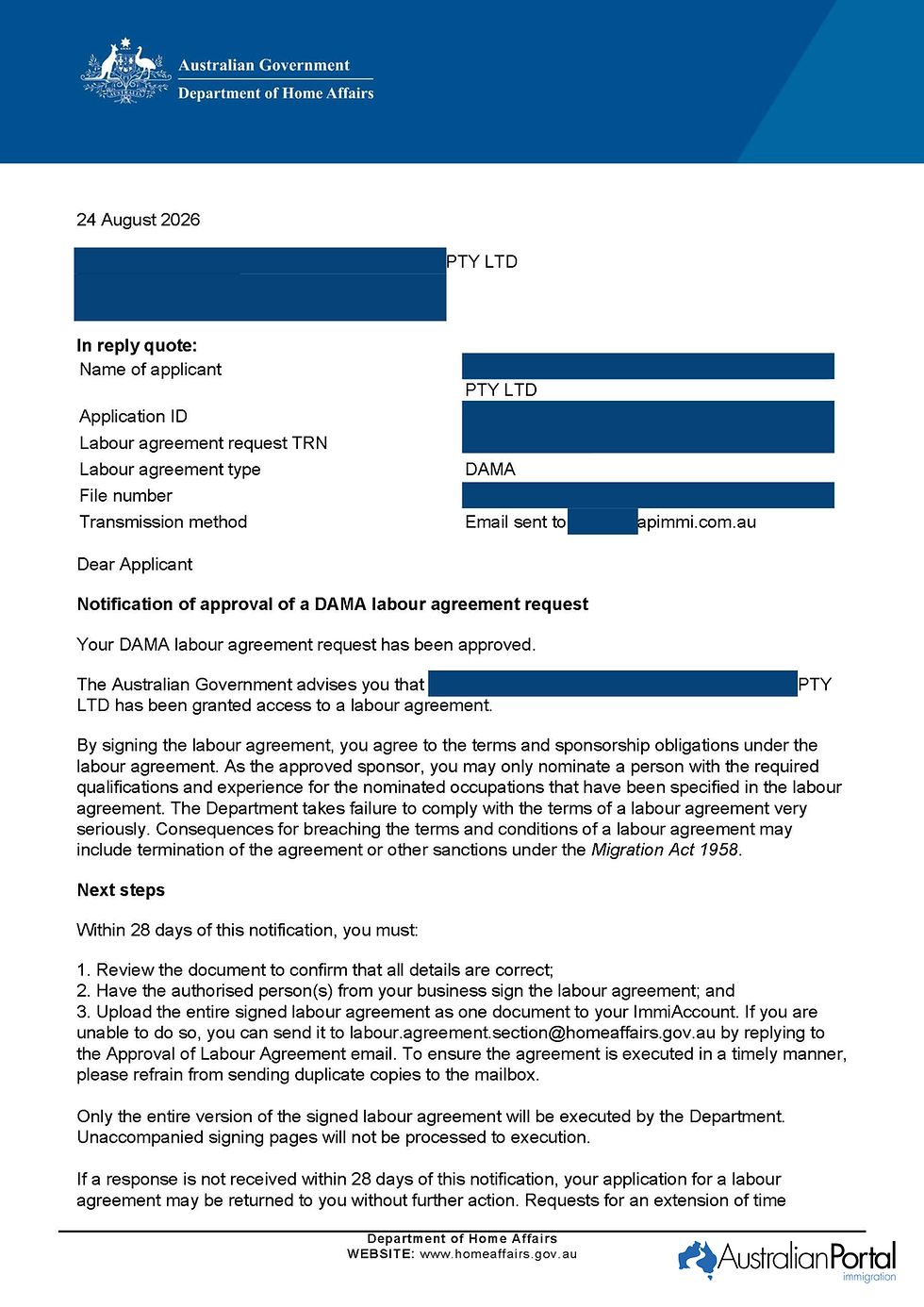
Employer-sponsored visas enable Australian employers to fill genuine skill shortages by hiring qualified overseas professionals when suitable local workers cannot be sourced. In 2026, this pathway continues to play a vital role across key sectors, including healthcare, construction, engineering, hospitality, and information technology.
These visa pathways generally require an approved Australian business to formally nominate a position that aligns with government-approved occupation and salary standards. Applicants must demonstrate that they possess the required qualifications, relevant work experience, and an acceptable level of English proficiency to perform the nominated role.
Depending on the visa stream and employment arrangement, employer-sponsored visas may provide a direct pathway to permanent residency or allow temporary residence with options for extension or transition to long-term migration.
Student and Graduate Visas
Australia continues to attract international students due to its globally recognised education system. Student visas allow overseas students to study full-time at registered Australian institutions, with limited work rights during their studies.
Following graduation, eligible students may apply for graduate visas that allow them to gain valuable Australian work experience.
In 2026, post-study work opportunities remain an important stepping stone for those aiming to transition to skilled or employer-sponsored migration pathways.
Family and Partner Visas
Family migration enables Australian citizens and permanent residents to reunite with close family members. This includes partner visas, parent visas, child visas, and other family-related options.
Partner visas remain one of the most common pathways, allowing spouses or de facto partners of Australians to live and work in Australia. These applications are heavily evidence-based and require strong documentation to prove the genuineness of the relationship.
Family visas often involve longer processing times and strict sponsorship obligations, making careful preparation essential.
High-Level Eligibility
While eligibility requirements vary across visa subclasses, several common factors apply to most Australian visa pathways in 2026.
Age Requirements
Many skilled and employer-sponsored visas have age limits, often favouring applicants under a certain age at the time of invitation or application.
English Language Proficiency
Applicants are generally required to demonstrate a minimum level of English proficiency through approved language tests. Higher scores can improve eligibility and points outcomes.
Skills and Qualifications
For skilled and employer-sponsored visas, applicants must usually have qualifications and work experience relevant to their nominated occupation. Skills assessments by authorised assessing bodies are often mandatory.
Health and Character Requirements
Australian visa applicants are required to satisfy mandatory health and character criteria as part of the assessment process. This typically includes completing health assessments with approved medical providers and submitting police clearance certificates from any country in which the applicant has resided for a specified period.
Genuine Temporary or Long-Term Intent
Some visas require applicants to demonstrate genuine intent, whether to study temporarily or to settle long-term under lawful migration pathways.
Because eligibility criteria are subject to change and may be interpreted differently depending on individual circumstances, relying on general information alone can be risky.
When to Seek Professional Migration Advice
While some applicants attempt to manage their applications independently, professional migration advice can be crucial in many situations.
Registered migration professionals stay updated with policy changes, legislative requirements, and procedural updates. They can assess eligibility accurately, identify risks early, and develop a strategic pathway tailored to your long-term goals.
You should consider seeking professional assistance if:
You are unsure which visa pathway best suits your profile
Your case involves complex work history, health issues, or previous visa refusals
You are applying for points-tested or employer-sponsored visas
You are transitioning from a student or temporary visa to permanent residency
You want to minimise the risk of refusal, delays, or costly errors
For clarification, consider consulting a registered migration agent, as immigration regulations may change over time. To ensure you meet the current eligibility criteria and receive personalized guidance, we recommend consulting with Australian Portal Immigration. You can book your appointment here.


Comments