
State and Territory Nomination 2026-27: Which Programs Are Opening and How to Prepare
- yubocosam
- 2 days ago
- 3 min read
Each new program year, Australia's states and territories refresh their skilled nomination programs. If you're planning to apply for skilled migration, understanding how state nomination works in 2026-27 can help you prepare before programs open. Here's what you need to know and how to get ready.

What State/Territory Nomination Is?
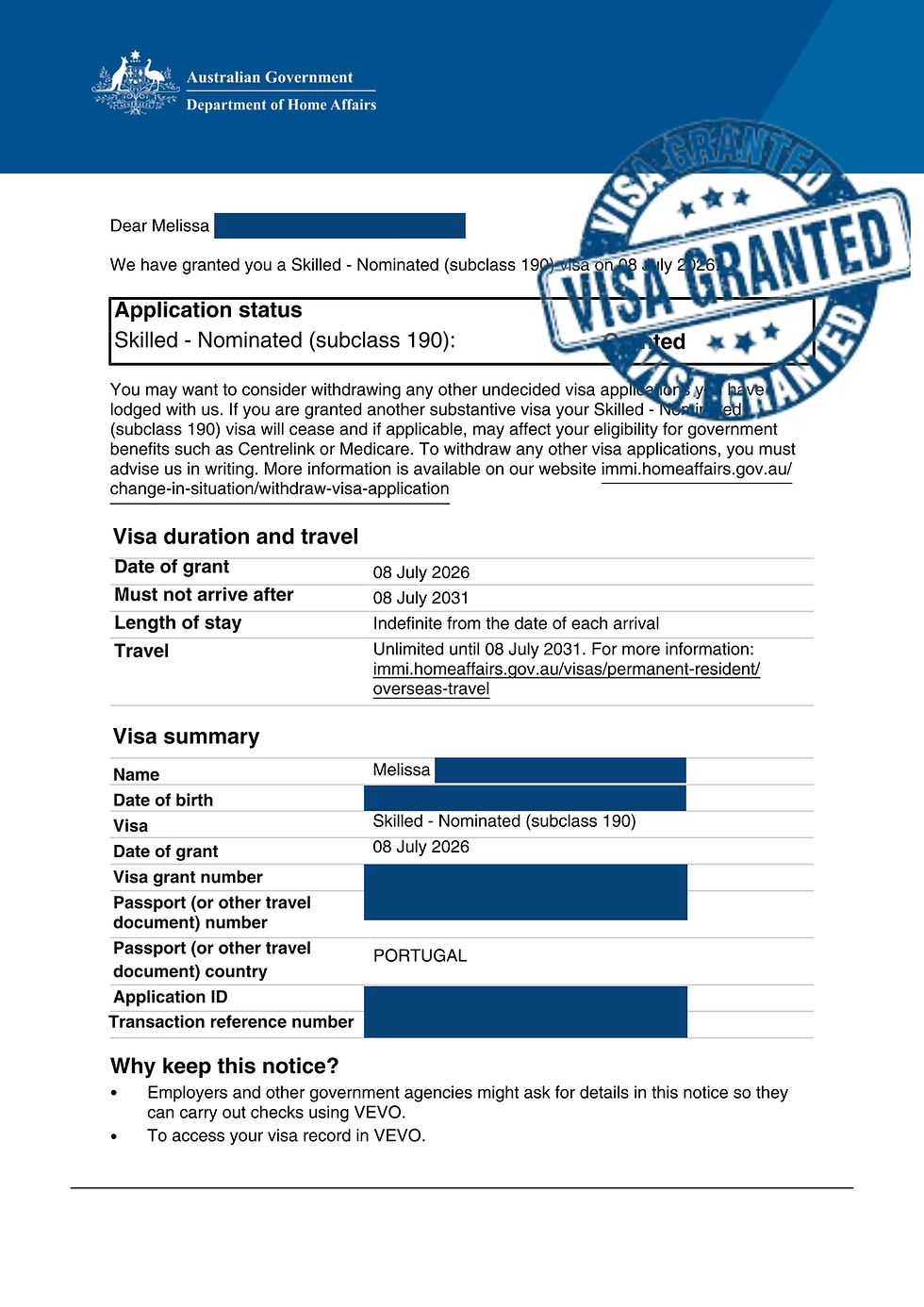
State and territory nomination is available under the Skilled Nominated Visa (Subclass 190) and the Skilled Work Regional (Provisional) Visa (Subclass 491).
The Subclass 190 visa is a permanent skilled visa, while the Subclass 491 visa is a provisional visa for eligible regional areas. A state or territory nomination adds points to your skilled migration application and may provide a pathway if you are not invited under the Skilled Independent Visa (Subclass 189).
Each Australian state and territory operates its own nomination program and sets its own eligibility requirements.
What Changes for 2026-27?
With the start of the 2026-27 program year, states and territories receive fresh nomination allocations and review their skilled migration programs.
Occupation lists and eligibility criteria may be updated, and the timing of program openings can vary. Some states reopen their Registration of Interest (ROI) systems at the beginning of the program year, while others may open in stages or pause applications once allocations have been filled.
As program availability can change quickly, it's important to check the latest information before preparing or lodging an application.
Check your state's current status: State nomination programs, occupation lists and eligibility criteria can change throughout the program year. Always refer to the relevant state or territory government's official website for the latest updates.
How Each State Differs?
Although all state nomination programs support skilled migration, each state and territory has its own selection criteria.
Requirements may include different occupation lists, minimum points or work experience, residence or job offer conditions, and regional pathways available under the Subclass 491 visa. Some occupations may also be more competitive than others depending on the state's workforce needs.
Understanding the specific requirements of your preferred state is an important step before submitting an application.
How to Prepare Now?
Preparing early can help you respond quickly when state nomination programs open.
Some practical steps include:
Lodge or update your Expression of Interest (EOI).
Complete your skills assessment.
Complete your English language test.
Gather supporting documents, including work references and qualifications.
Consider regional opportunities under the Subclass 491 visa.
Target the state or territory that best matches your occupation and profile.
Having these requirements ready can help you prepare for future nomination opportunities.
Common Mistakes to Avoid
Many applicants wait until a state opens before starting their preparation. This can make it difficult to complete the required documents within a short application window.
Other common mistakes include submitting an outdated Expression of Interest (EOI), applying to a state that does not nominate your occupation, or missing a limited Registration of Interest (ROI) opening period.
Planning ahead and keeping your documents up to date can help you avoid unnecessary delays.
Talk to Our Registered Migration Agents
Not sure which state fits your profile? Talk to our registered migration agents and we'll help you target the right program.
Whether you're exploring the Subclass 190 or Subclass 491 pathway, Australian Portal Immigration can help you understand your options and prepare your application based on your individual circumstances.
Disclaimer: This article contains general information only and does not constitute migration advice. State and territory nomination programs, occupation lists, eligibility requirements and opening dates can change. Before lodging an application, confirm the current program status, occupation lists and eligibility criteria on the relevant state or territory government's official website.


Comments